

History
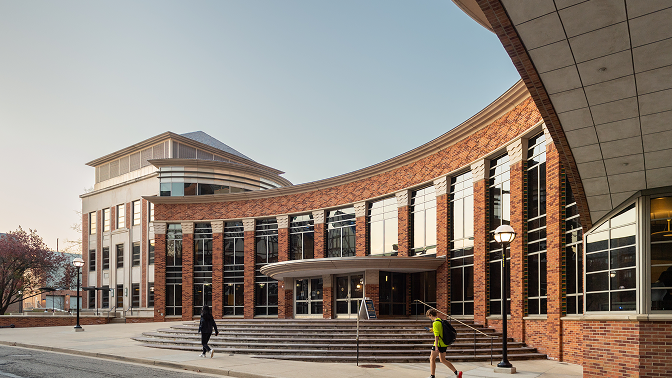
The Summer Session in Epidemiology is world's longest-running and premier summer epidemiology program. It has been housed at the University of Michigan School of Public Health since 1988.
Celebrating History and Excellence
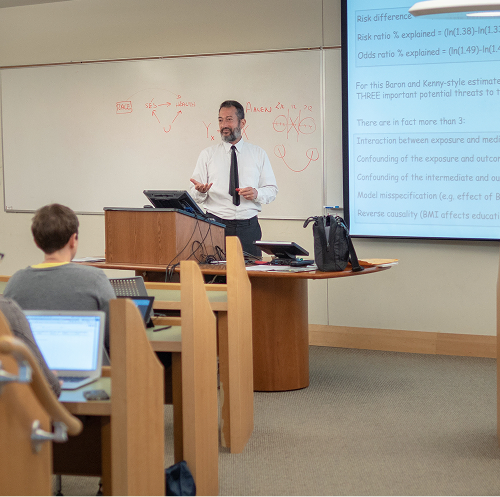
The Summer Session in Epidemiology (SSE), formerly known as the Graduate Summer Session in Epidemiology (GSS), came to the University of Michigan School of Public Health in 1988. The SSE/GSS began at the University of Minnesota under the directorship of Dr. Leonard Schuman in 1965. Dr. David Schottenfeld, Professor and Chair of the UMSPH Department of Epidemiology, formerly proposed to the GSS Planning Committee that the program be moved to the University of Michigan effective with the 1988 program after the retirement of Dr. Schuman. The SSE is the world’s longest running summer program in epidemiology.
Leading Voices in Epidemiology at Michigan's Summer Session in Epidemiology
Dr. Schottenfeld was the Director of the GSS from 1988 – 2004. After the retirement of Dr. Schottenfeld, Dr. Hal Morgenstern became Director from 2005 – 2017, when he retired. Dr. Eduardo Villamor has served as Director of the SSE since 2018. The program has been honored to have extremely prominent faculty who are recruited to teach in an area of their renowned expertise. These include, but are not limited to: Helen Abby, Alfred Evans, Philip Brachman, Michel Ibrahim, Ted Holford, Jennifer Kelsey, Robert Wallace, Charles Hennekens, Stanley Shapiro, Philip Cole, Paul Stolley, Lewis Kuller, Warren Winkelstein, David Savitz, Sander Greenland, Mitchell Levine, Stanley Shapiro, Brian Strom, Harvey Checkoway, Nigel Paneth, Richard Goodman, Steve Selvin, Ward Cates, Graham Colditz, Jose Teruel, Jack Colford, Matthew Boulton, and Sandro Cinti.
Accredited U-M Courses
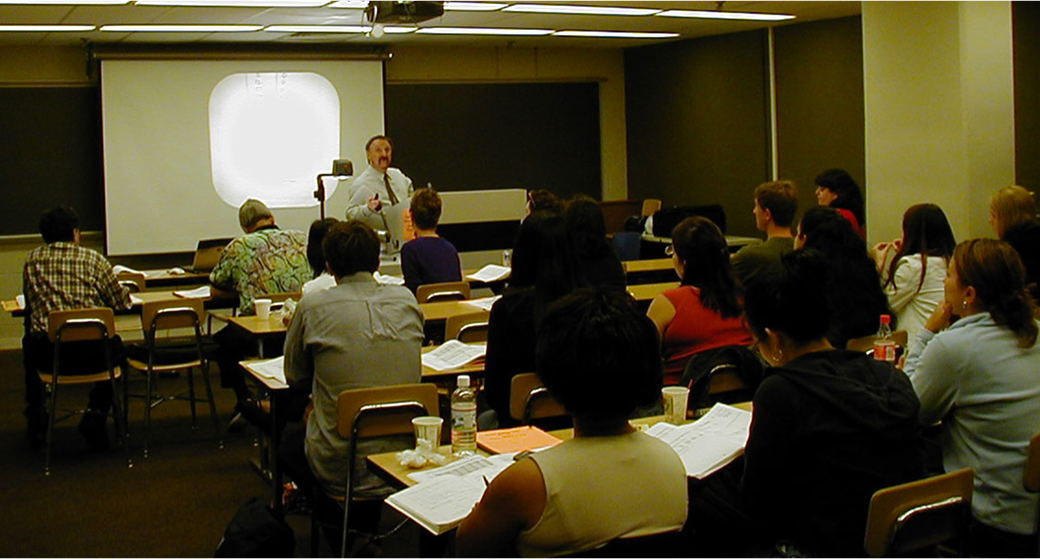
Courses in the Summer Session in Epidemiology (SSE) are official graduate courses of the University of Michigan (U-M), reviewed and approved by the Advisory Committee on Academic Programs of the School of Public Health. Their credits are valid in various academic programs of the University of Michigan. Acceptance of courses for credit or substitution for similar courses offered by other institutions are dependent on the policy of those institutions.
Global Impact Through Intensive Epidemiology Training
The objective of the SSE is to provide intensive instruction in the principles, methods, and applications of epidemiology. The continuity of this program for 60 years demonstrates its important role in the education and training of graduate students in public health, physicians, nurses, and health professionals throughout the world.
SSE Over the Years

The Summer Session in Epidemiology (SSE) was founded in 1965 at the University of Wisconsin under the leadership of Dr. Al Evans. Designed to provide intensive training in epidemiologic principles and research methods, the program quickly gained popularity among public health professionals and students seeking advanced instruction during the summer months.
Two years after its inception, the program was moved to the University of Minnesota under the guidance of Dr. Leonard Schuman. The University of Minnesota hosted SSE and helped it grow into a national leader in epidemiology education, attracting participants from across the country and expanding its curriculum.
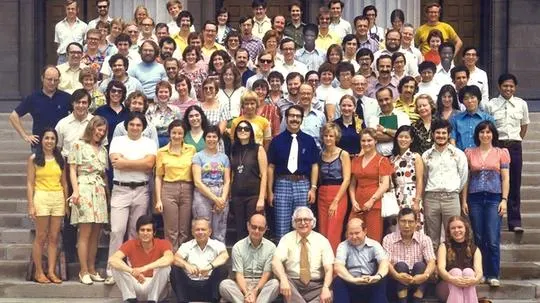
The SSE found a new home at the University of Michigan, led by Dr. David Schottenfeld, newly-appointed Chair of Epidemiology. Here, the program continued to flourish, developing new courses, forging collaborations with health institutions, and enriching epidemiological training opportunities in Ann Arbor and beyond.
Responding to the urgent public health crisis, SSE introduced a specialized course on AIDS in 1989 taught by Dr Jill Joseph. The new offering drew record numbers of participants, reinforcing SSE’s reputation for timely and relevant curriculum that addresses major global health challenges.
6 years after moving to U of M, the SSE reaches record enrollment numbers, welcoming nearly double the participants from its first year in Ann Arbor, due largely to popular courses in relevant topics including clinical epidemiology, infectious diseases, and science writing.
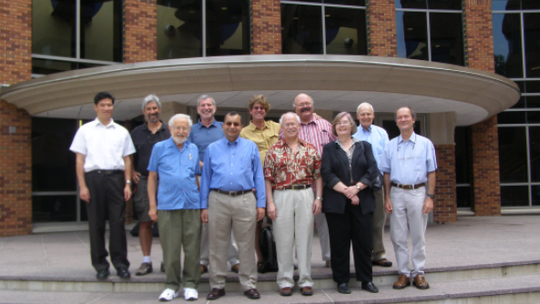
Dr. Hal Morgenstern, new Chair of Epidemiology, assumed directorship in 2005, ushering in a new era of innovation and growth for SSE. Under his leadership, the program further expanded its course offerings and strengthened its role as a premier destination for epidemiology education worldwide.
SSE embraced cutting-edge technology in teaching by offering its first distance learning course. This initiative allowed learners from around the globe to participate in SSE remotely, marking a significant step towards greater accessibility and flexibility in public health education.
Dr. Amr Soliman, professor of Epidemiology, was awarded an R25 training grant from the National Cancer Institute to develop and deliver a Cancer Epidemiology course to be offered by the SSE in Egypt. The course was offered for four consecutive years, expanding SSE’s international reach and supporting cancer research training in North Africa.
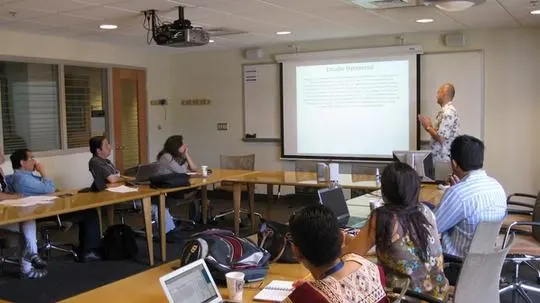
SSE continued its commitment to global education when Dr. Eduardo Villamor, professor of Epidemiology, taught the program’s first non-English course with support from a D43 training grant from the NIH Fogarty Center. The course, taught fully in Spanish, broadened SSE’s accessibility within Spanish-speaking communities and fostered international collaboration.
SSE proudly celebrated its 50th anniversary, marking five decades of leadership in epidemiology education and training. Alumni, faculty, and participants reflected on the program’s long-standing impact and its role in shaping generations of public health professionals.
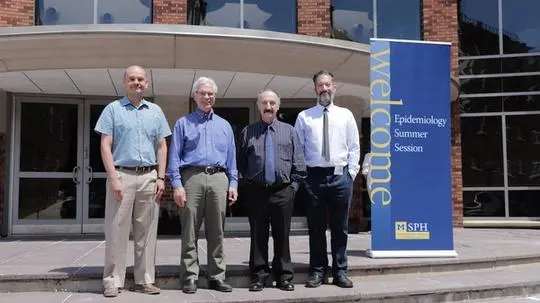
Dr. Eduardo Villamor, professor of Epidemiology, becomes the new Director of SSE, bringing with him his broad expertise in epidemiology.
As part of a federally funded multicenter collaborative project on tobacco exposure prevention (CaSToR), the SSE hosts the didactic teaching component through two new courses offered to trainees affiliated with the project.
In response to the COVID-19 pandemic, SSE launched its first fully remote summer session in 2020. The transition allowed participants worldwide to continue their epidemiology training safely and effectively, demonstrating SSE’s agility and dedication to accessible learning.